
Innovative Software Development
SOFTWARE
1/24/20241 min read
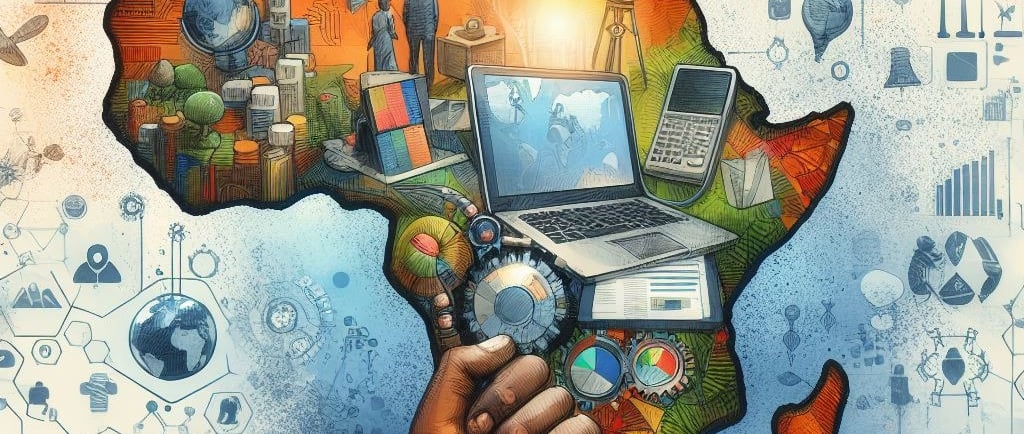
Solutions for software development in Africa for a better sustainable future
Leveraging mobile technology to provide access to digital services and information for millions of Africans, especially in rural areas. Mobile technology can enable e-commerce, e-learning, e-health, e-agriculture, and e-government, among others. Some examples of successful mobile-based solutions are M-Pesa and Jumia.
Building digital skills and competencies for African developers, entrepreneurs, and innovators. This can be done through online platforms, training programs, mentorship, and networking opportunities. Digital skills can help create local solutions, generate employment, and foster innovation. There is a shortage of local AI talent, education, and research in Africa, which limits the ability to create solutions that are relevant and responsive to local needs and contexts
Investing in research and development (R&D) and fostering collaboration among academia, industry, and government. R&D can help create home-grown digital solutions that address the specific needs and challenges of African communities. Collaboration can help share knowledge, resources, and best practices, as well as attract funding and investment.
Promoting digital inclusion and literacy for all segments of the population, especially women, youth, and marginalized groups. Digital inclusion and literacy can help reduce the digital divide, empower people with information and opportunities, and increase social and economic participation.
Strengthening the digital infrastructure and policy environment for a conducive and secure digital economy. Digital infrastructure and policy can help improve internet access, affordability, and quality, as well as protect the rights and interests of users, providers, and regulators. This will also promote African Union Digital Transformation Strategy .