
Green Energy Production
Develop software for Green electrical energy production for balancing grid power and avoid power out-breaks. It requires a holistic approach, combining technological innovation, regulatory support, and public engagement to create a sustainable and resilient national energy grid.
SOFTWARE
1/24/20242 min read
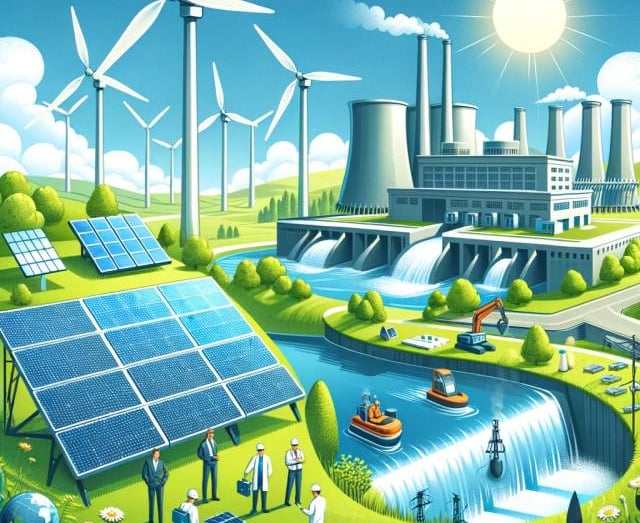
Developing high-tech software for balancing green energy production, such as wind and solar with other changing energy production sources, on the national grid is a promising road sustainable energy future. Here are several possibilities and steps to consider:
Data Collection and Analysis:
Collect and analyze comprehensive data on energy production from various sources, including wind, solar, hydro, and fossil fuels. This data should encompass variables like weather conditions, grid demand, and energy storage status.
Machine Learning and AI Algorithms:
Develop AI and machine learning algorithms capable of predicting energy production and demand patterns based on historical and real-time data. These models should be able to forecast wind and solar energy generation accurately.
Energy Storage Integration:
Incorporate energy storage solutions into the grid to store excess renewable energy during times of high production. Use AI to optimize energy storage and discharge to meet demand fluctuations.
Demand Response Programs:
Implement demand response programs that encourage consumers with large use of electrical energy to be able to adjust their energy consumption during periods of high renewable energy production. AI can help automate and optimize these programs.
Grid Management and Control:
Develop a smart grid infrastructure that enables real-time monitoring and control of energy production, distribution, and consumption. AI can assist in grid optimization, load balancing, and avoiding power out-breaks.
Hybrid Energy Systems:
Invest in hybrid energy systems that combine multiple renewable sources, e.g. geothermal sources and waste-to-energy plants, to ensure a consistent energy supply. AI can manage these hybrid systems efficiently.
Weather Forecasting and Integration:
Utilize AI-driven weather forecasting models to predict renewable energy generation. Integrate weather data into energy management systems to optimize energy production.
Energy Market Integration:
Establish mechanisms for trading excess renewable energy in energy markets. AI can help determine the most profitable times to sell surplus energy.
Regulatory Framework:
Develop policies and regulations that incentivize the integration of AI-based energy management systems and the adoption of renewable energy technologies.
Capacity Building and Research:
Invest in research and development programs to train local talent in AI, renewable energy, and grid management.
Foster partnerships with universities, research institutions, and the private sector to advance expertise in this field.
Public Awareness and Education:
Educate the public about the benefits of renewable energy and the role of AI in sustainable grid management to garner support and promote energy conservation.
International Collaboration:
Collaborate with international organizations, governments, and companies to share knowledge, technology, and best practices in green energy and AI integration.
Continuous Monitoring and Evaluation:
Regularly assess the performance of AI systems and renewable energy projects, making adjustments as needed to improve efficiency and reliability.
Incentives and Funding:
Provide incentives and funding opportunities for businesses and individuals to invest in renewable energy technologies and AI-based solutions.
Developing software for balancing green energy production with conventional sources is an ambitious but achievable goal. It requires a holistic approach, combining technological innovation, regulatory support, and public engagement to create a sustainable and resilient energy grid that reduces carbon emissions and promotes a clean energy future for nation.