
Education Learning Management System
Creating an education Learning Management System (LMS) for Kenyans is a complex and multifaceted endeavor.
SOFTWARE
2/29/20242 min read

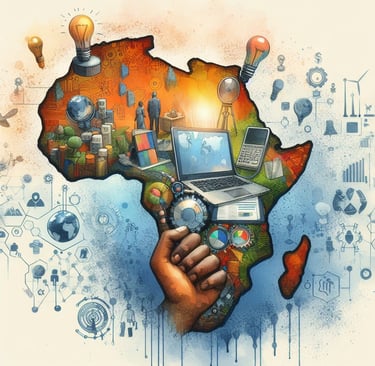
Creating an education Learning Management System (LMS) for Kenya is a crucial step towards the digitalization of education in the country. This process requires careful planning and execution, considering various aspects such as ICT skills, pedagogy, material production, and governance for creating a platform for continued learning for all the Kenyans.
1. ICT Skills
Developing an LMS for Kenya necessitates a strong focus on building ICT skills among educators and students. Training programs should be implemented to ensure that teachers are equipped with the necessary knowledge and expertise to effectively use the LMS. This includes training on basic computer skills, navigating the LMS interface, and utilizing various features and tools available within the system.
2. Pedagogy
An effective LMS should align with the pedagogical principles and teaching methods employed in Kenyan education. The system should support interactive and collaborative learning experiences, allowing teachers to create engaging online activities, assessments, and discussions. It should also facilitate personalized learning, enabling students to progress at their own pace and receive individualized feedback.
3. Material Production
Developing high-quality educational content is essential for the success of an LMS. Efforts should be made to produce digital learning materials that are relevant to the Kenyan curriculum and cater to the diverse needs of students. This includes interactive multimedia resources, e-books, videos, and virtual simulations. Collaboration with content creators, subject matter experts, and curriculum developers is crucial to ensure the availability of comprehensive and up-to-date learning materials.
4. Governance
An effective governance structure is necessary for the smooth implementation and management of an LMS in Kenya. Clear policies and guidelines should be established to ensure data privacy, security, and ethical use of the system. Roles and responsibilities should be defined for administrators, teachers, students, and other stakeholders involved in the LMS. Regular monitoring and evaluation should be conducted to assess the system's effectiveness and make necessary improvements.
5. Continued Training
Continuous training and professional development programs are essential to ensure the sustainable use and success of an LMS in Kenya. Teachers and administrators should be provided with ongoing support and training opportunities to enhance their skills in utilizing the LMS effectively. This includes training on new features and updates, best practices in online teaching, and strategies for addressing challenges that may arise during the implementation process.
In conclusion, developing an Education Learning Management System requires a comprehensive approach that considers ICT skills, pedagogy, material production, governance, and continued training. By addressing these aspects, Kenya can embrace the digitalization of education and provide students with enhanced learning experiences that are in line with the country's educational goals and objectives.